June 2, 2026 · 10 min read
The Ultimate Guide to Creating a Low-Maintenance Garden in Sydney
A practical Sydney homeowner's guide to reducing mowing, pruning and watering without sacrificing a polished, high-value garden aesthetic.
For many Sydney homeowners, the dream garden is not the one that demands constant weekend labour. It is the one that looks composed in every season, handles heat and dry periods well, and still lifts the presentation of the home. A low-maintenance garden does not mean a boring garden. It means making smarter material, plant and layout decisions from the beginning.
Start with a layout that is easy to maintain
The biggest maintenance issues usually begin with the plan, not the planting. Gardens with too many tiny beds, awkward lawn edges and disconnected materials simply take longer to mow, trim and clean. In Sydney homes, a cleaner structure almost always performs better long-term.
Large-format paving, generous pathways and clearly defined zones make a garden feel calmer and reduce the number of surfaces that need weekly attention. The same is true of edging. Crisp borders between lawn, planting and paving help the whole garden stay neat with less work.
- Use simple geometry and broad planting zones instead of many small pockets
- Limit the number of materials so upkeep stays consistent
- Design for access so every bed, hedge and turf edge is easy to reach
Choose plants suited to Sydney's climate
Plant selection is where low-maintenance success is won or lost. Sydney gardens need to cope with warm summers, variable rainfall and a mix of coastal, shaded and exposed sites. Plants that constantly outgrow their space or require heavy feeding and pruning will cost more over time.
A considered palette of hardy species, layered properly, can give a garden year-round structure with minimal intervention. Groundcovers, strappy foliage, clipped structural shrubs and drought-tolerant planting often outperform more delicate selections for busy households.
- Prioritise hardy, drought-tolerant varieties where possible
- Use fewer species, repeated well, for a more architectural effect
- Allow enough spacing at install so plants are not immediately competing
Rethink the lawn
Traditional turf can look beautiful, but it is usually the highest-maintenance element in a residential garden. It needs mowing, edging, feeding and seasonal repair. For many Sydney families, the better question is not whether to have lawn at all, but how much lawn is actually useful.
Artificial turf can be an excellent low-maintenance option in selected areas, particularly around pools, side passages or small backyard zones where a permanently green finish matters. Where natural grass is still preferred, reducing the lawn area and simplifying its shape can significantly cut ongoing work.
Invest in durable hardscape materials
Low-maintenance gardens rely on materials that wear well. Paving, retaining, decking and edging all need to cope with weather and regular use. Choosing the cheapest finish often means earlier staining, movement or replacement.
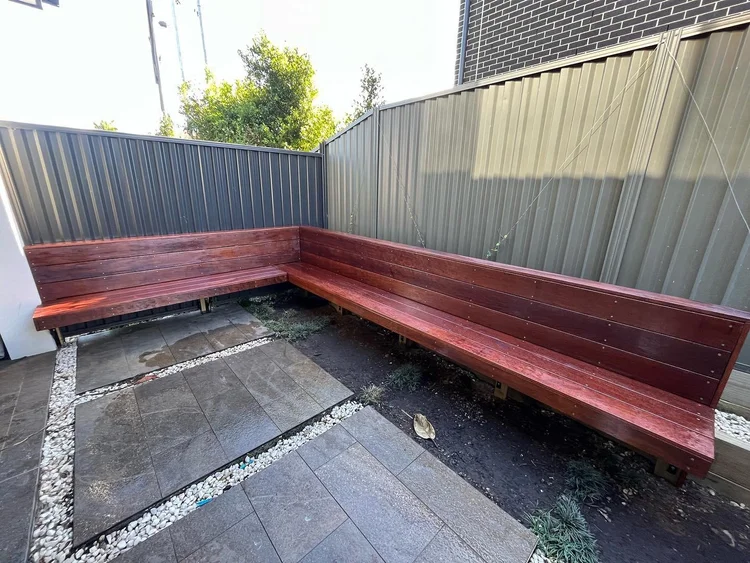
In Sydney, quality stone-look paving, well-installed timber elements and properly detailed drainage can dramatically reduce the amount of cleaning and repair needed over the years. The goal is a garden that matures well rather than one that looks tired after two summers.
Automate what makes sense
A genuinely low-maintenance garden is supported by the right systems. Irrigation, lighting and drainage are often invisible, but they are what protect the investment. Automated irrigation can keep planting healthier with less guesswork, while good drainage prevents the kinds of issues that lead to patchy lawns and failing beds.
Even simple automation can make a major difference to garden performance, particularly for homeowners who travel often or do not want to manage the garden week by week.
Think in terms of lifecycle cost, not just installation cost
The cheapest garden to install is rarely the cheapest garden to own. Ongoing mowing, heavy pruning, lawn repairs and frequent replacement planting all add up. A low-maintenance design often costs more upfront because the planning, preparation and materials are better, but it repays that decision in reduced upkeep and stronger curb appeal.
For Sydney homeowners, the best approach is to build once, build properly and avoid a garden that becomes a recurring job list.
FAQs
What is the lowest-maintenance type of garden for a Sydney home?
The best low-maintenance garden is usually a balanced mix of durable paving, simplified planting beds, hardy climate-suited plants and reduced lawn area. The right design depends on the site's sun, drainage and how the household uses the space.
Is artificial turf a good option for Sydney backyards?
Yes, especially in high-use areas, pool surrounds and spaces where a consistently neat finish is important. The quality of the base preparation and installation matters just as much as the turf product itself.
Does a low-maintenance garden still add value to a property?
Absolutely. Buyers respond well to gardens that look refined and manageable. A clean, well-designed landscape can improve first impressions and overall curb appeal without creating the sense of constant upkeep.